
Truck Scale Sales & Service in Mchenry, IL
Truck Scale Solutions Built Around Your Operation
No two truck scale sites operate exactly the same way. Vehicle types, available space, traffic patterns, environmental conditions, reporting requirements, and future growth can all influence system selection. Precision Scale & Controls helps businesses in Mchenry evaluate these factors and choose weighing equipment designed for dependable long-term use.
Our team supports agriculture, logistics, aggregate, recycling, waste handling, manufacturing, and bulk material operations across McHenry County. Services include truck scale sales, professional installation, calibration, preventative maintenance, troubleshooting, and repair.
Whether you need a new installation, replacement system, equipment upgrade, or service for an existing truck scale, contact Precision Scale & Controls to discuss your requirements and request a quote.
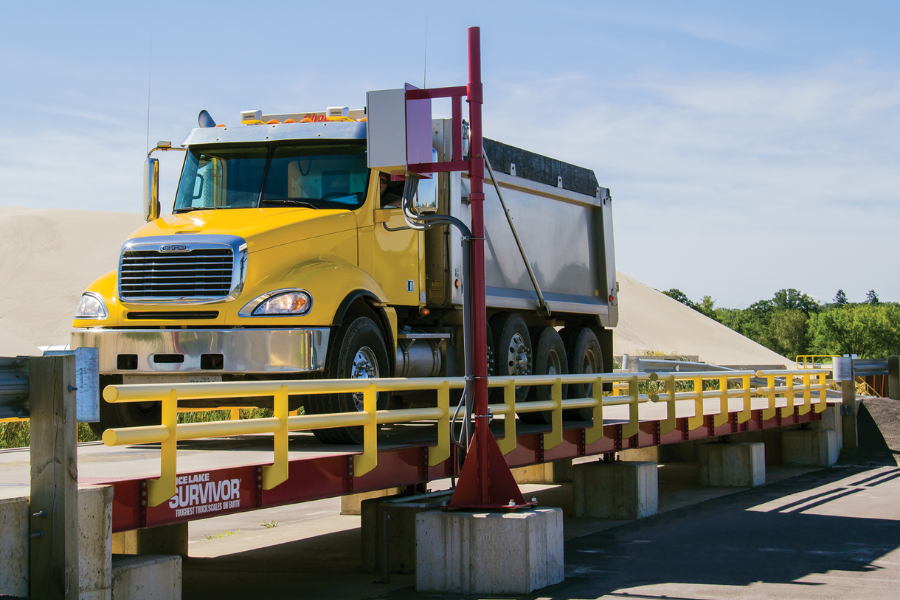
Supporting Accurate Load Management Across Mchenry Industries
From agriculture and aggregate to logistics, recycling, waste management, and manufacturing, local operations depend on accurate vehicle weights to manage materials and document transactions. Reliable Mchenry, IL truck scales provide the information businesses need to strengthen billing accuracy, inventory control, shipment verification, and operational accountability.
Document Vehicle Loads
Capture accurate inbound and outbound weights for billing, purchasing, shipment records, and compliance documentation.Monitor Material Movement
Track raw materials, finished products, agricultural commodities, aggregate, recyclables, and waste.Improve Traffic Flow
Support efficient truck processing with properly planned approaches, controls, displays, and ticketing systems.Maintain Long-Term Accuracy
Protect weighing performance through professional calibration, preventative maintenance, troubleshooting, and repair.Common Truck Scale Applications
Truck scales support agriculture, aggregate, manufacturing, logistics, recycling, waste management, bulk material handling, and transportation operations throughout the Mchenry area.


Talk to a Truck Scale Specialist in Mchenry
Selecting a truck scale involves more than comparing platform dimensions and weighing capacities. Available space, approach requirements, traffic patterns, foundation design, environmental conditions, and reporting capabilities can all affect system performance. Precision Scale & Controls helps local businesses compare Mchenry, Illinois truck scales and identify equipment that fits the way their facilities operate.
From equipment selection and installation planning to calibration, maintenance, and repair, our experienced team provides support throughout the life of the scale. Tell us about your operation, and we will help you take the next step toward a dependable vehicle weighing solution.


Additional Illinois Truck Scale Locations:
Truck Scale FAQs
What are truck scales used for?
Truck scales weigh loaded and unloaded commercial vehicles to determine the amount of material being received, shipped, purchased, or sold. Businesses use Mchenry, IL truck scales for billing, inventory control, shipment verification, regulatory compliance, and material tracking.
How accurate are truck scales?
Truck scales can provide highly accurate weight measurements when properly installed, calibrated, and maintained. Routine inspections, calibration, and preventative maintenance help protect accuracy and support dependable long-term performance.
What is the difference between pit-mounted and above-ground truck scales?
Pit-mounted truck scales are installed flush with the surrounding roadway, while above-ground systems sit on the surface and typically require approach ramps. The right configuration depends on available space, drainage, traffic flow, installation requirements, and maintenance access.
How often should a truck scale be calibrated?
Calibration frequency depends on scale usage, environmental conditions, accuracy requirements, and whether the system is used for legal-for-trade transactions. Many truck scales are calibrated at least annually, although high-volume operations may require more frequent service.